Morgan Coleman · 26 September 2026
Baycrest Fishing Records from the 1800s Drive Joint Historical and Avian Studies
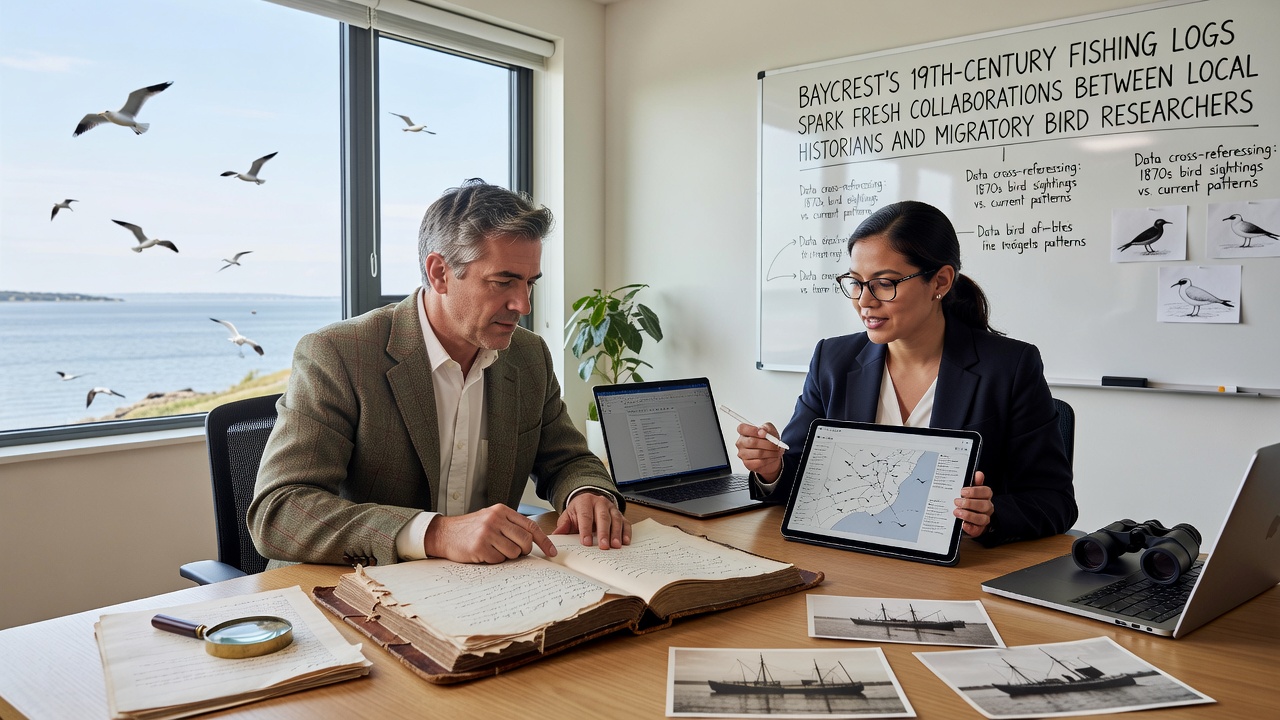
Local archives in Baycrest hold detailed fishing logs dating back to the nineteenth century, and these documents now connect historians with migratory bird researchers in new projects that began gaining momentum in 2025. The logs contain daily entries on catch volumes, weather conditions, and occasional notes on bird activity near the bay, which provide baseline data for tracking long-term ecological shifts.Contents of the Historical Records
Researchers examined entries from 1840 through 1899 that list species caught, water temperatures, and seasonal patterns along the coastline. Historians transcribed the handwritten notes while ornithologists cross-referenced mentions of large flocks or unusual bird concentrations with current satellite tracking data. These combined datasets reveal how fish populations and bird migration timing aligned during that era, according to records preserved at the Baycrest Historical Society.
One set of logs from the 1870s includes repeated observations of seabirds diving near herring schools, which researchers now compare with 2025 migration counts to measure changes in arrival dates. The collaboration started when a local archivist shared digitized pages with a university team studying coastal ecosystems, leading to joint analysis sessions that continue through scheduled meetings.
Partnership Development and Methods
Teams from Baycrest and nearby institutions adopted a shared database in early 2026 to overlay historical fishing notes with modern banding records. Historians verify the authenticity and context of each log entry, while bird researchers apply statistical models to quantify any shifts in species presence. This approach draws on methods used by Environment and Climate Change Canada for long-term monitoring programs that track similar variables across multiple regions.
Workshops held in Baycrest during the spring of 2026 trained participants on reading faded ink and interpreting abbreviations common in nineteenth-century maritime writing. Participants then matched those details against data from the Migratory Birds program maintained by federal agencies, which supplies comparable contemporary observations from the same coastal stretch.
September 2026 Workshop Plans
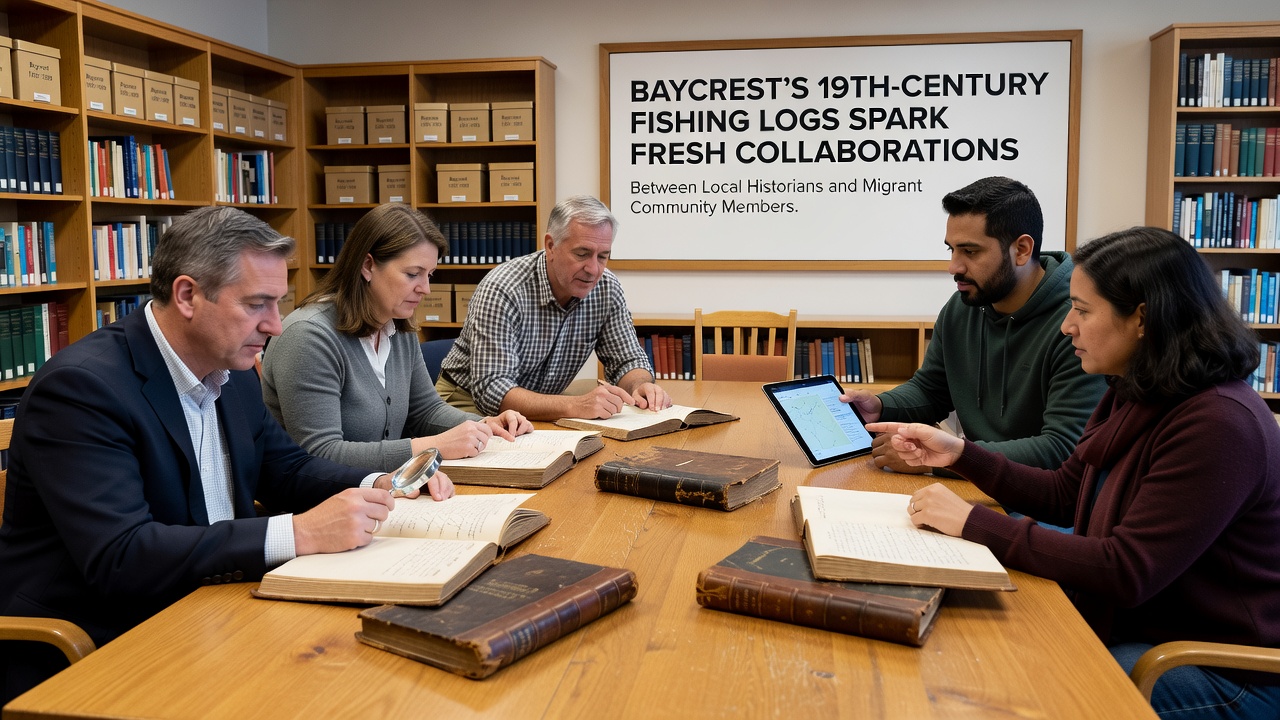
Organizers scheduled a two-day event for September 2026 that will bring additional historians and field biologists to Baycrest for hands-on review of newly scanned log volumes. The sessions will focus on mapping bird sightings noted in the margins of fishing records against current GPS tracks collected by research stations farther along the migration route. Participants expect to produce a preliminary report that outlines measurable differences in peak migration windows between the 1800s and present observations.
Similar cross-disciplinary projects appear in other coastal communities where archival material intersects with ongoing wildlife studies, yet the Baycrest collection stands out for its consistent daily entries spanning six decades. Funding for the upcoming workshop comes through a regional heritage grant that supports both preservation work and scientific analysis.
Broader Research Connections
Findings from the combined logs and bird data contribute to larger studies on how temperature variations influenced both fish availability and bird stopover patterns in earlier centuries. A 2024 report from the Australian Antarctic Division on Southern Hemisphere migration parallels some of the analytical techniques now applied in Baycrest, demonstrating how historical sources can anchor modern trend detection across different ocean basins. Researchers continue to add entries from private collections that surface during community outreach visits.
Conclusion
The integration of Baycrest's nineteenth-century fishing logs with contemporary migratory bird research creates a growing record of coastal conditions that spans nearly two centuries. Ongoing transcription, digitization, and joint analysis sessions scheduled through 2026 and beyond ensure these documents remain accessible for further study by both disciplines. The resulting datasets support continued examination of seasonal patterns without requiring new field collection in every case.