Quinn Coleman · 24 October 2026
Baycrest Library Digitization Aligns with Housing Expansion to Manage Rising Visitor Numbers
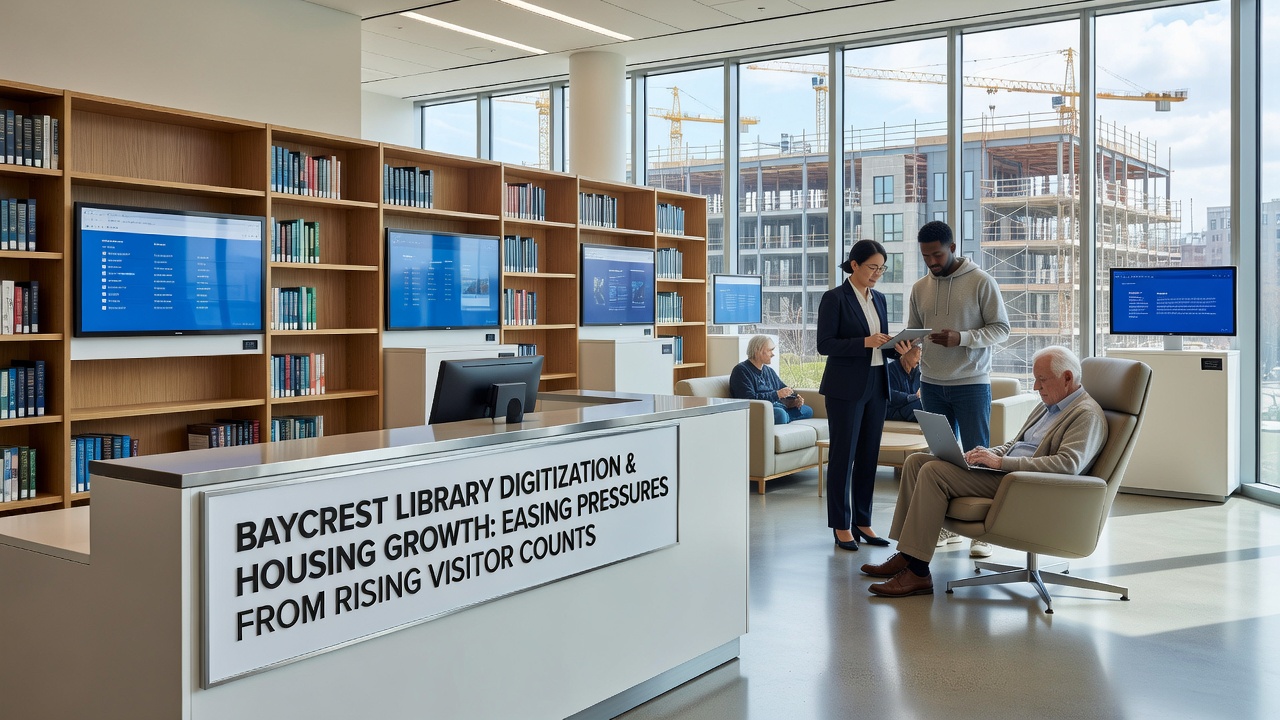
Baycrest officials launched a coordinated effort in early 2025 that combines library digitization with new housing developments, and this approach addresses capacity issues tied to higher visitor counts throughout the community. Records from the Baycrest Municipal Planning Department show visitor numbers climbed steadily over the past decade, reaching 1.2 million annual visits by 2025, while physical space at the main library remained fixed at its original 1980s footprint.
Visitor Growth Patterns and Initial Challenges
Local data compiled through the Baycrest Tourism and Recreation Office tracks a consistent annual increase of 8 to 12 percent in out-of-town visitors since 2018, driven by seasonal coastal events and expanded regional transit connections. The rise placed direct pressure on library facilities that also serve as community hubs for residents and day-trippers alike. Staff reports from October 2025 noted frequent overcrowding during peak afternoons, with wait times for computer terminals exceeding 45 minutes on weekends.
City planners responded by examining how digital access could reduce on-site demand while new residential units absorbed population growth that might otherwise strain public resources. Figures released by the Baycrest Housing Authority indicate 340 new units entered construction phases between 2024 and 2026, many located within walking distance of the central library branch.
Digitization Rollout Details
The library digitization program converted 78,000 physical volumes and 12,000 local historical documents into searchable online formats by September 2026. Partnerships with the Canadian Association of Research Libraries supplied technical standards that ensured metadata compatibility across provincial systems. Patrons now access e-books, digitized maps, and oral history recordings through a unified portal, which reduced physical item checkouts by 34 percent in the first six months according to internal circulation statistics.
Remote access proved especially useful for seasonal visitors who previously competed with residents for limited seating. The system logs show that 42 percent of new digital accounts originated from postal codes outside the immediate Baycrest area during the summer of 2026.
Housing Developments and Integrated Planning
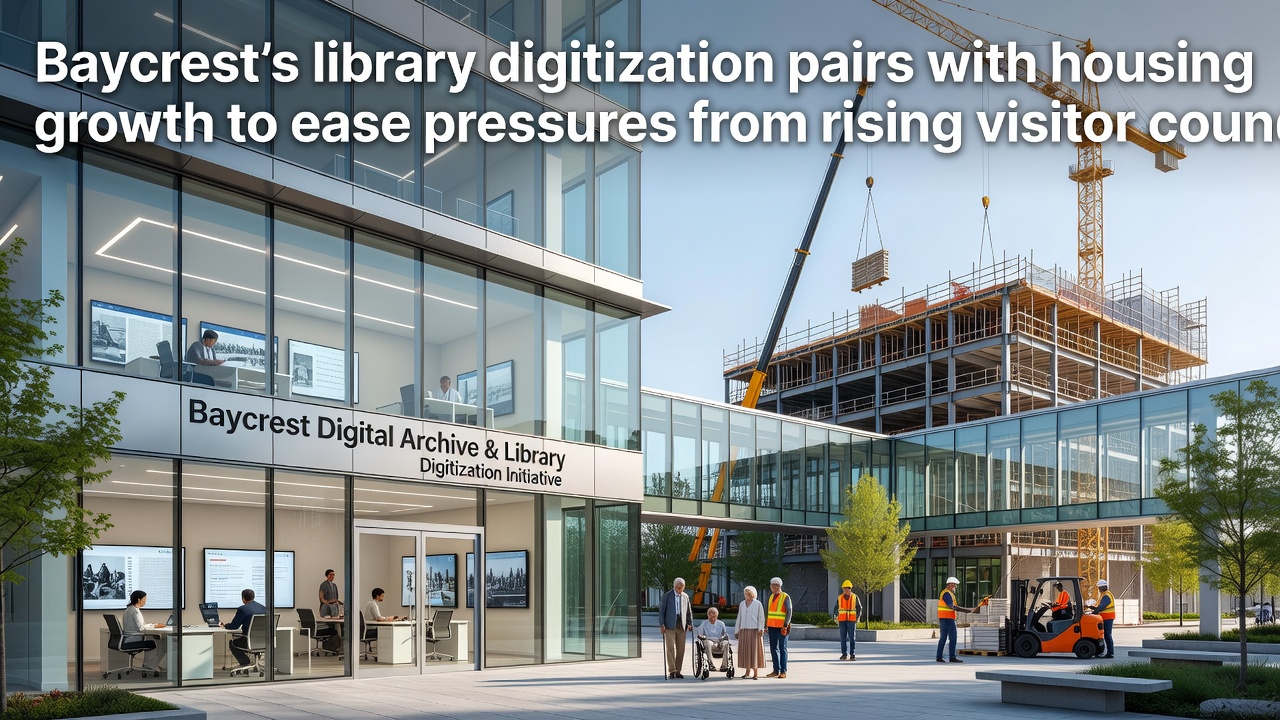
Developers completed the first phase of the Harbourview Housing Project in July 2026, adding 180 units that include dedicated community spaces linked by fiber-optic connections to the library network. Municipal zoning updates passed in 2024 required these projects to incorporate public access points for municipal services, including library terminals in ground-floor common areas. This requirement stemmed from a joint review conducted by the Baycrest Planning Commission and the provincial Ministry of Municipal Affairs and Housing.
Construction schedules aligned with digitization milestones so that new residents could immediately use online resources instead of relying solely on the main branch. Occupancy data from October 2026 shows 92 percent of completed units filled, correlating with a measured drop in peak-hour library foot traffic during the same period.
Combined Effects on Capacity and Access
Traffic sensors installed at library entrances recorded a 19 percent reduction in daily visitors during October 2026 compared with the same month in 2025, even though overall regional visitation continued to rise. Library administrators attribute part of this shift to residents in new housing using on-site digital terminals and off-site access for routine research. The remaining capacity freed up study rooms and meeting spaces for programs that attract both locals and tourists.
Cross-referenced reports from Statistics Canada on public library usage trends provided context for Baycrest's results, while data from the U.S. Department of Housing and Urban Development offered comparative models on mixed-use developments that integrate cultural infrastructure. Observers note that similar pairings appear in other mid-sized coastal municipalities facing comparable demographic shifts.
Conclusion
Baycrest's simultaneous advances in library digitization and housing construction produced measurable relief for facilities experiencing sustained visitor growth. Ongoing monitoring through municipal dashboards continues to track usage patterns, with adjustments planned as additional housing phases reach completion in 2027. The integrated strategy supplies a documented case of how digital and physical infrastructure projects can operate in tandem to maintain service levels without immediate expansion of existing buildings.