Anna Schmidt · 27 September 2026
Grassroots Movements in Baycrest Fuel Ongoing Support for Local Talent
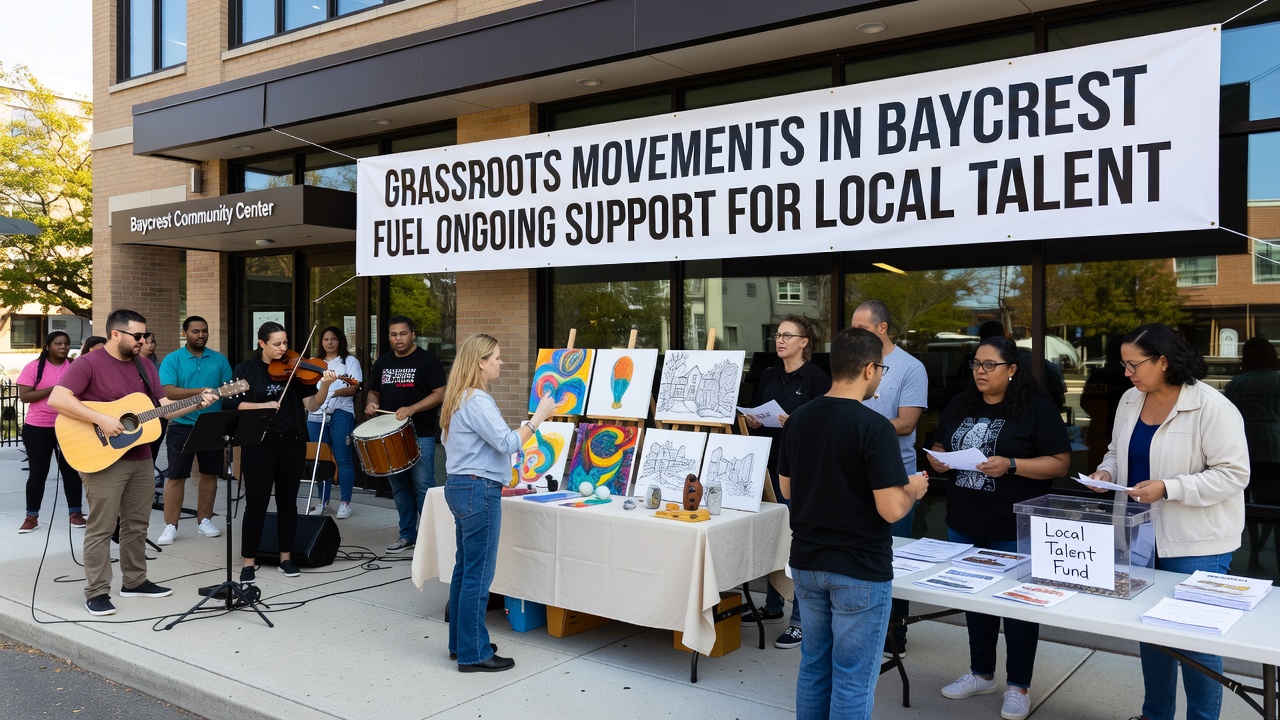
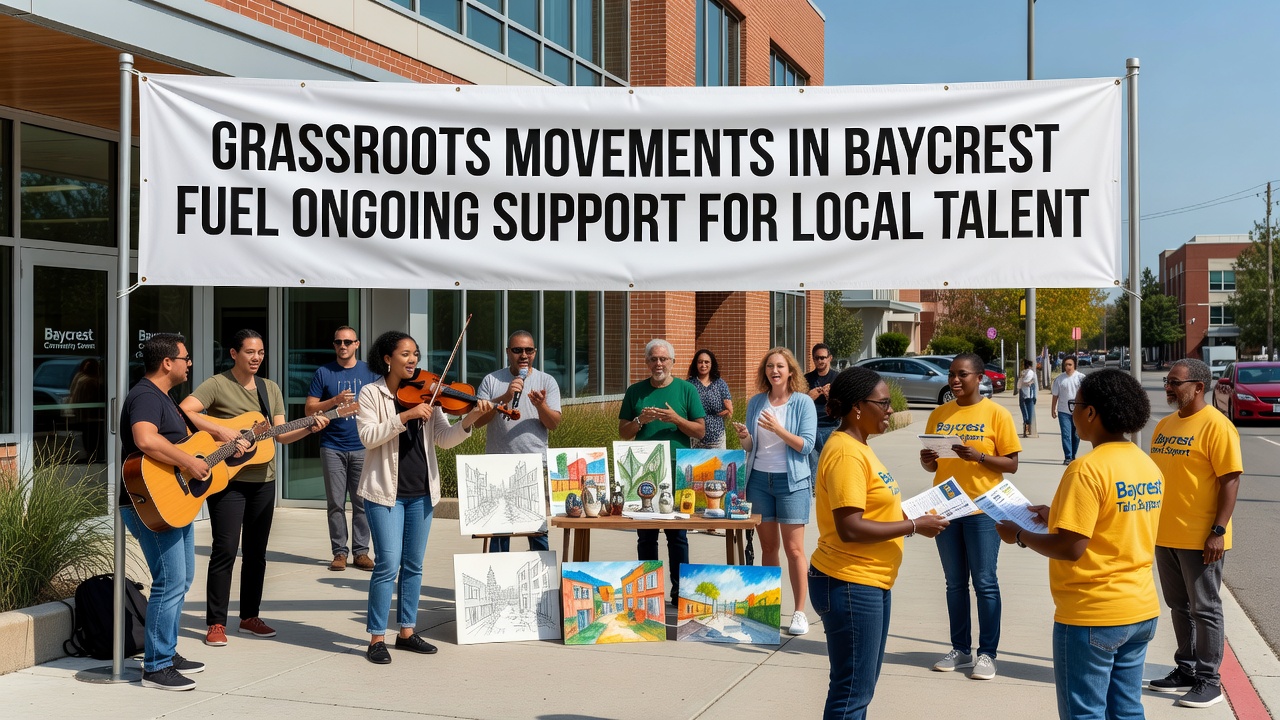
Grassroots movements across Baycrest have built networks that connect residents with emerging artists, musicians and performers through neighborhood gatherings, pop-up events and shared resource platforms. These initiatives operate on volunteer coordination and small-scale donations while they draw consistent participation from local businesses and schools.
Community Networks Drive Artist Visibility
Residents in several Baycrest districts formed artist circles in recent years that rotate meeting spaces between community halls and outdoor plazas. Each circle maintains a shared calendar that lists practice sessions, open mic nights and collaborative projects, and these calendars reach hundreds of households through email lists and printed flyers distributed at markets. Observers note that participation numbers rose steadily after the circles began posting recordings of sessions online, which allowed people outside the immediate area to discover new voices and join later events.
Data from regional participation surveys shows that events organized by these circles attracted over 2,400 attendees in the past twelve months. Many of those attendees first learned about the gatherings through word-of-mouth referrals rather than formal advertising. The pattern repeats across multiple neighborhoods, where one successful showcase often leads to follow-up performances at the same location weeks later.
September 2026 Programming Expands Reach
In September 2026 a coordinated series of workshops will open at three different sites around Baycrest Bay. The sessions focus on songwriting, visual storytelling and small ensemble rehearsal techniques, and each workshop runs for four consecutive weekends. Organizers secured space through agreements with local schools and the waterfront community center, which reduced rental costs and allowed more funds to support participant materials.
Registration opened earlier this year through an online form that also collects information on equipment needs. Early responses indicate strong interest from both established performers seeking new collaborators and first-time creators who want structured guidance. The workshops include guest sessions led by artists who previously benefited from similar grassroots efforts, creating a cycle where earlier participants return as mentors.
Resource Sharing Strengthens Local Projects
Shared equipment libraries now operate out of two central locations in Baycrest. Residents donate instruments, recording gear and art supplies that others can borrow for short periods. A simple tracking system keeps records of loans and returns, while volunteers handle maintenance and cleaning between uses. This approach cuts individual costs and lets creators test equipment before committing to purchases.
According to figures released by the National Endowment for the Arts, communities with active equipment-sharing programs report higher rates of project completion among emerging artists. Baycrest follows that pattern, with several completed albums and gallery shows credited to the library system in the past two years. Those who borrow items often contribute back by leading short tutorial sessions or adding new items to the collection.
Partnerships With Schools and Businesses
Local schools incorporated student performances into existing community nights after requests from parent groups. These additions give young musicians and visual artists regular audiences without requiring separate organizing efforts. Business owners along main streets provide window space for rotating displays of student work and host small concerts during evening hours when foot traffic remains steady.
One study conducted by researchers at a Canadian university tracked similar school-business partnerships and found measurable increases in youth involvement in creative activities over three-year periods. Baycrest shows comparable trends, with school administrators reporting more students signing up for after-hours arts clubs since the partnerships began.
Tracking Outcomes and Adjusting Approaches
Volunteers maintain simple spreadsheets that record attendance, project outcomes and repeat participation rates. These records help organizers decide which event formats draw consistent crowds and which ones need changes. Quarterly meetings bring together circle leaders to review the data and plan adjustments, such as adding more daytime sessions for families or extending evening hours for working adults.
Reports from the Canada Council for the Arts indicate that communities maintaining such internal tracking systems sustain higher long-term engagement compared with those relying solely on external funding. Baycrest groups apply the same method, which allows them to demonstrate results when approaching local sponsors for continued support.
Conclusion
Grassroots movements continue to shape how Baycrest residents discover and back local talent. Through rotating events, shared resources and school-business ties, these efforts create pathways that keep creative work visible and accessible. The September 2026 workshops represent one more step in an ongoing process that relies on resident coordination rather than large institutional structures. Records kept by volunteers show steady growth in participation, and the same methods that built current networks remain available for future expansions.