Morgan Coleman · 12 September 2026
Tracking Migratory Patterns Reveals New Insights into Baycrest Bay's Coastal Ecosystem Changes
Scientists have applied satellite tags, acoustic sensors and aerial surveys to follow the routes of fish, shorebirds and marine mammals through Baycrest Bay, and these efforts have uncovered shifts in arrival times, feeding grounds and population numbers that align with documented changes in water temperature, salinity and nutrient levels. Researchers from multiple institutions began intensive monitoring programs five years ago, and the combined datasets now show that several species have altered their traditional pathways while others have shortened their stays in the bay during peak seasons.
Methods Used in the Tracking Programs
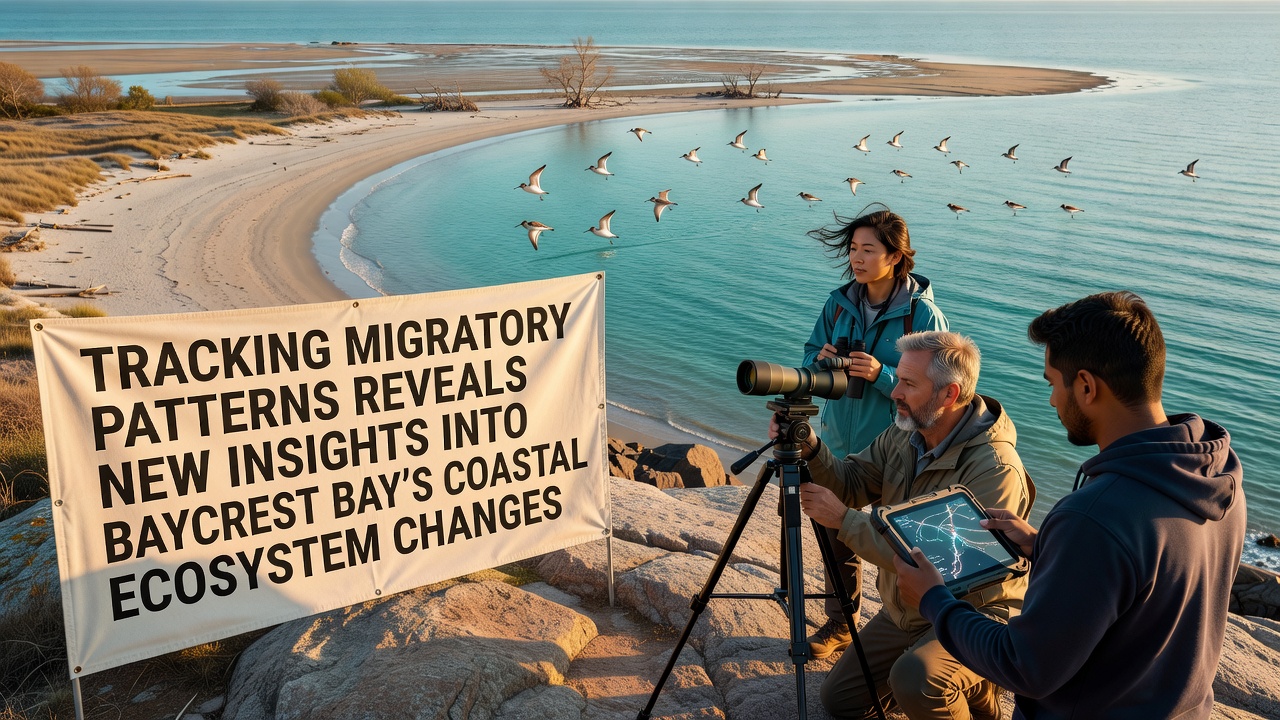
Teams attached lightweight GPS units to adult herring gulls and common terns in spring, then retrieved location data throughout the summer and fall migration periods, while acoustic receivers placed on the seafloor recorded movements of tagged salmon and rockfish as they moved between open water and nearshore areas. Drones equipped with thermal cameras supplemented ground observations during September 2026, allowing continuous coverage even on days with heavy fog, and the resulting maps revealed consistent patterns that earlier manual counts had missed. Observers note that combining these technologies produced higher resolution information than any single method could achieve on its own.
Local volunteers assisted with equipment maintenance and data downloads, which reduced costs and expanded the geographic reach of the surveys into smaller coves that larger research vessels could not access regularly. The integration of citizen science records with professional datasets has allowed analysts to cross-check findings and identify anomalies that might otherwise have been dismissed as outliers.
Key Findings on Species Movements
Analysis of the tracking records shows that Pacific brant geese now arrive in Baycrest Bay an average of twelve days earlier than they did a decade ago, and they depart sooner as well, which corresponds with earlier peaks in eelgrass growth documented by underwater cameras. Salmon runs have shifted toward deeper channels in response to warmer surface waters, and harbor seals have concentrated their haul-outs on a smaller number of islands where cooler currents persist. These adjustments appear across multiple years of data, indicating a sustained response rather than temporary variation.
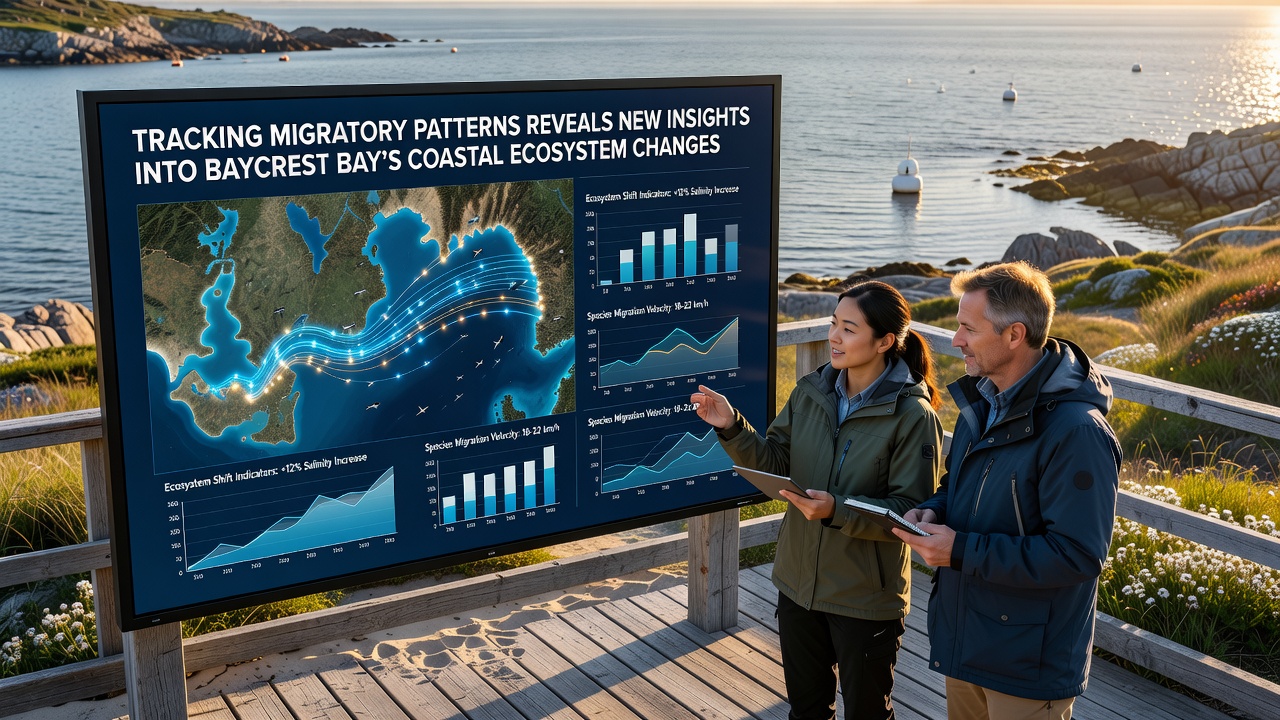
Numbers of certain forage fish have declined in the central bay while increasing near river mouths, and researchers attribute the redistribution to changes in plankton communities that follow nutrient runoff patterns. A study coordinated by Environment and Climate Change Canada provided baseline population estimates that made these comparisons possible, and the same agency continues to supply annual updates that researchers incorporate into their models.
Ecosystem Changes Connected to Migration Data
Water temperature records from moored sensors show a steady rise of 1.4 degrees Celsius since 2018, and this warming correlates with the observed compression of feeding areas used by migratory species. Eelgrass beds have retreated from some shallow flats while expanding in others, and the birds and fish that rely on those beds have followed the vegetation accordingly. Sediment core samples collected alongside the tracking work reveal increased organic matter in areas where fish congregations have intensified, suggesting localized effects on water chemistry and benthic communities.
Additional monitoring by the National Oceanic and Atmospheric Administration supplied oceanographic context for the bay-level observations, confirming that larger-scale current shifts influence the timing of inflows that carry nutrients and larvae into the region. The combination of local and regional datasets has helped separate bay-specific trends from broader oceanic patterns.
Implications for Future Monitoring
Continued tracking will allow managers to test whether proposed habitat restoration projects produce measurable benefits for returning migrants, and the same sensor networks can flag unexpected departures from established routes that might signal new stressors. Data collected through 2026 already serve as reference points for evaluating the effectiveness of shoreline stabilization measures installed in earlier years.
Conclusion
The accumulated tracking records demonstrate that migratory species function as sensitive indicators of coastal ecosystem conditions in Baycrest Bay, and the patterns they reveal point to ongoing adjustments in habitat use driven by measurable environmental variables. Sustained investment in these monitoring programs will supply the long-term series needed to distinguish cyclical variation from directional change, supporting more precise management decisions as conditions continue to evolve.